
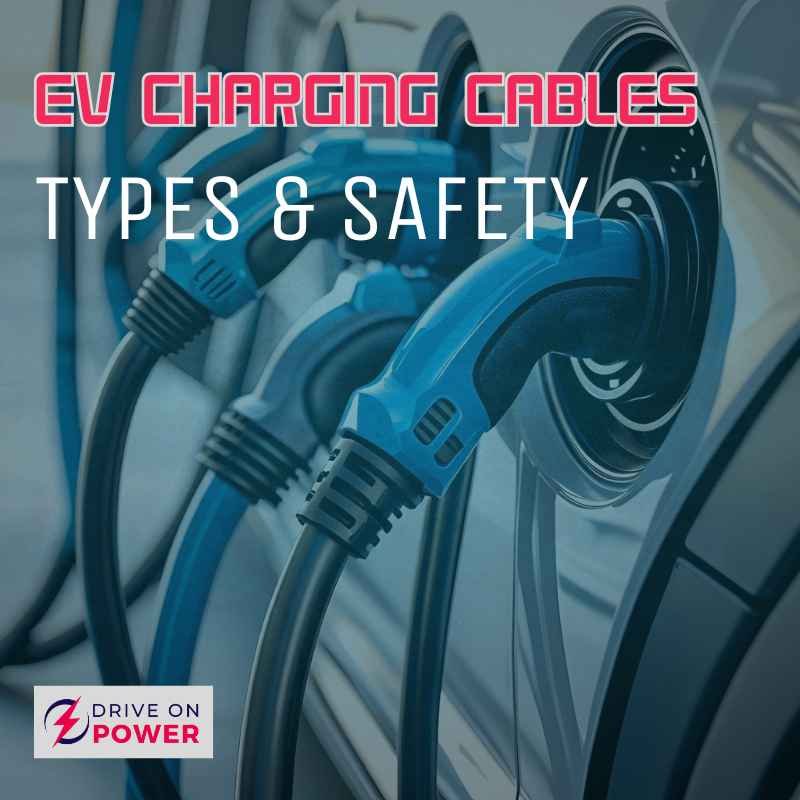
What Cable Should You Use for Your EV Charger? EV Charging Cables Guide Electric vehicles rely on specialized charging cables (sometimes called charging cords) to deliver power from a charger to the car. These cables are essential for charging an electric car, but they are not all interchangeable. EV charging cables vary by type, connector, power rating, length, and usage. Understanding what cable to use for an EV charger means matching the cable to your vehicle’s inlet, your charger’s outlet, and the power level you need. In this guide (focusing on the USA), we explain EV cable types, plugs/connectors, and safety considerations – including whether you can use an extension cord with your EV charger. Figure: Electric vehicle charging port and cable. EV charging cables safely carry power to your car’s battery. Electric car charging cords come in different “modes” and levels. In North America, most EVs (except Tesla) use the SAE J1772 connector (also called Type 1) for Level 1 and Level 2 AC charging. Level 1 charging typically uses a 120 volt plug (NEMA 5-15) at 12–16 amps, delivering about 1–2 kW. Level 2 charging uses 240 volts at 16–50 amps (depending on the charger), delivering 3.6–12 kW or more. EVs come with a portable charging cable (Mode 2) that plugs into a standard outlet; this cable has an In-Cable Control and Protection Device (IC-CPD) for safety. Home and public stations often have longer Mode 3 cables fixed or tethered to the station. High-power DC fast chargers use built-in, heavy Mode 4 cables that supply DC directly to the battery. Critically, EV charging cables are not all the same. They differ in connector type (J1772, Tesla NACS, CCS, CHAdeMO, etc.), power rating (ampacity), and even the communication/control electronics they carry. Simply put: “not all EV charging cables are the same”. For example, an EV cable that works on one car or station may not fit another without an adapter. In the following sections, we unpack the main cable types, connectors, and what you need to know to choose the right cable and extension solution for your EV. Are All EV Charging Cables the Same? No. EV charging cables vary by design, compatibility, and function. They come in different “modes” (Mode 1–4) and connector standards. In practice, the cable you need depends on: Connector/plug type: The plug at each end must match the station and the vehicle. For example, in the U.S. nearly all non-Tesla EVs have a Type 1 (SAE J1772) inlet for AC charging, so one end of the cable must be J1772. The other end (into the charger) is typically also J1772 for home or public AC charging. DC fast charging uses different plugs (CCS1 in North America, Tesla’s NACS or CHAdeMO for some older cars). Tesla cars use Tesla’s proprietary plug (now called the North American Charging Standard, NACS) for both AC and DC charging in the U.S. Power rating (amps): Charging cables are built to handle certain current levels. Common ratings are 16 A (≈3.6 kW on 240 V) and 32 A (≈7.2 kW single-phase or 22 kW three-phase). You should pick a cable rated for at least your car’s maximum charging rate. Using a cable with a lower amp rating than the charger or car can overload the cord. Cable length: Longer cables allow more flexibility but can be heavier and more expensive. Typical lengths range from 10 ft (3 m) to 25 ft (7.5 m). NEC limits EVSE cable lengths to 25 ft due to voltage drop, so don’t use excessively long or daisy-chained cables. Mode and context: Consumer EVSE cords (Mode 2/3) differ from industrial DC cables (Mode 4). A Mode 2 or 3 cable carries AC power and communication for basic controls. Mode 4 fast-charge cables carry high-power DC and usually stay attached to the charger. Pod Point sums it up: “EV charging cables are not all the same and come in different variations”. In short, you must use a cable that’s designed for EV charging, matches your car’s inlet, fits the charger’s outlet, and is rated for the current you want. Types of EV Charging Cables (Modes 1–4) EV charging cables are often categorized by “modes,” which reflect how they connect and what safety/control they include. Briefly: Mode 1: A plain cable with a standard plug at one end. This simply connects a light EV (e-bikes, scooters) to a regular wall outlet, with no smart communication or protection. For cars, Mode 1 is unsafe and mostly banned. It uses a basic extension cord style cable. Mode 2: The portable EVSE cable that usually comes with an EV. One end is the car’s connector (e.g. J1772) and the other end has a regular 120 V plug (NEMA 5-15) for a household socket. It includes an in-line control box (IC-CPD) with safety electronics. Mode 2 is Level 1 charging (up to ~2.3 kW on 120 V) if plugged in at home. EV manufacturers supply this so you can charge anywhere. It’s safe for cars due to the IC-CPD, but it’s very slow and can overload circuits if used continuously. Mode 3: The standard cable for dedicated EV chargers (Level 2). One end plugs into a fixed charging station’s socket, the other plugs into the EV. In North America, that means a J1772–J1772 cable for most EVs. In Europe, it’s Type 2–Type 2. Mode 3 cables carry 240 V AC at higher currents (16–80 A) for up to 19.2 kW (single-phase) or 43 kW (three-phase). These cables have communication and safety features. Most home chargers (wallboxes), public AC stations, and workplace chargers use tethered or untethered Mode 3 cables. Mode 4: Cables for DC fast charging (Level 3). These deliver high-voltage DC straight to the battery. They are heavy duty (often liquid-cooled) and are permanently connected to the charger – you cannot unplug them from the station. In practice, you’ll see CCS or CHAdeMO cables on fast chargers, but you cannot buy a separate Mode 4 “extension cord” yourself. They’re integrated into the charger hardware. Figure: Multiple EV charging plugs/cables at a station. In North America, most EVs use the J1772 AC plug (Type 1) for everyday charging, while DC fast chargers use CCS1 or
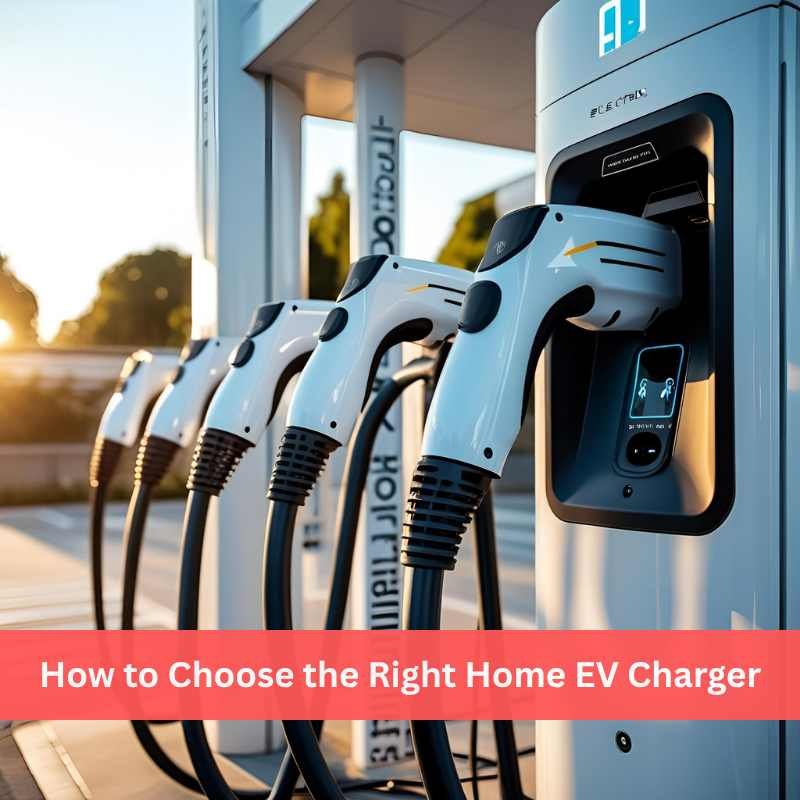
How to Choose the Right Home EV Charger (2026)
Best Home EV Chargers If you own an electric vehicle, a reliable home charger can make a huge difference in your daily life. From faster charging to smart energy use, picking the right EV charger is all about understanding your needs and matching them with the right features. Let’s look at how to choose the right charger—along with some top-rated recommendations and a handy comparison table to make your decision easier. 1. Understand the Charging Levels There are two types of EV chargers for home use: Level 1 (120V)This charger plugs into a standard home outlet. It adds about 3–5 miles of range per hour. Good for plug-in hybrids or drivers with very short commutes. Level 2 (240V)This charger uses a 240V outlet and adds about 25–40 miles per hour. It’s ideal for most EV owners who drive daily or need faster charging overnight. Level 2 chargers are the most common choice for home installation, offering a great balance of speed and efficiency. 2. Decide How Fast You Want to Charge The right charger depends on your battery size and how often you drive. If your EV has a larger battery (say 60–100 kWh), a Level 2 charger with higher amperage (32A to 50A) will charge faster and be more practical. Also, keep your home’s electrical capacity in mind. Older homes might need an upgrade from a 100-amp panel to a 200-amp panel to support a high-powered EV charger. It’s best to get an electrician to assess your home’s capacity. 3. Plug-In vs. Hardwired: Which Is Better? You’ll find two main installation styles: Plug-in: These chargers connect to a NEMA 14-50 or 6-50 outlet and can be moved if needed. They’re a good choice if you plan to move or want a portable option. Hardwired: These are wired directly into your home’s electrical panel. They’re more secure and weather-resistant, and usually recommended for permanent setups. If you’re going for outdoor use or want something more reliable, hardwiring is often the better option. 4. Safety Certifications You Shouldn’t Ignore Always look for certified chargers to avoid risks like overheating or electric shocks. Look for: UL or ETL certification Built-in GFCI protection Overcurrent and thermal protection These features help protect your home, car, and charger from electrical faults. 5. Smart Features Are Worth It Modern chargers come with features that make life easier: Wi-Fi or Bluetooth connection Mobile app support for scheduling Energy monitoring Integration with smart home systems With smart scheduling, you can charge during off-peak hours and save money on your electric bill. Some even let you monitor how much energy you’ve used and how much each charge costs. 6. If You’re Installing Outside… If your charger will be mounted outdoors, make sure it has: Weatherproof casing (look for IP54 or better) Durable build Cable length of at least 20 feet Outdoor-rated chargers are built to handle rain, snow, and extreme temperatures. 7. Don’t Forget About Costs and Rebates Here’s what you can expect: Charger cost: Ranges between $300 and $800 depending on features Installation cost: Can range from $500 to $2,000 or more if your panel needs upgrading Rebates and tax credits: Many states, local utilities, and federal programs offer incentives It’s worth checking with your utility provider or the Department of Energy for any local rebates. You could save hundreds of dollars. 8. Top Recommended Home EV Chargers 1. ChargePoint Home Flex Level 2 EV Charger (Handwired) Charging Level: Level 2 Amperage: Adjustable up to 50A Plug Type: NEMA 14-50 or hardwired Cable Length: 23 feet Weatherproof: Yes (NEMA 3R rated enclosure) Smart Features: Wi-Fi enabled, mobile app, Alexa/Google Assistant compatible Ideal Use: Home garages and driveways with 240V access Highlight: One of the most flexible and future-proof home chargers One of the most trusted names in EV charging. Offers up to 50 amps, flexible amperage settings, and an intuitive app. Works with Alexa and Google Assistant. Great for future-proofing your setup. Why Choose It: Strong brand, reliable, flexible settings, and excellent smart features. 2. Grizzl-E Classic EV Charger Charging Level: Level 2 Amperage: 40A Plug Type: NEMA 14-50 or hardwired Cable Length: 24 feet Weatherproof: Yes (IP67 rated for heavy-duty outdoor use) Smart Features: No (basic model), smart version available separately Ideal Use: Harsh climates, outdoor installation, rugged conditions Highlight: Built tough with simple plug-and-charge function Why Choose It: Durable, simple setup, and budget-friendly. 3. Emporia Smart EV Charger Charging Level: Level 2 Amperage: Up to 48A Plug Type: NEMA 14-50 or hardwired Cable Length: 24 feet Weatherproof: Yes (IP66 enclosure) Smart Features: Wi-Fi app, energy usage tracking, load management Ideal Use: Homeowners wanting solar energy integration or energy monitoring Highlight: Great value with advanced smart energy features Comes packed with smart features, load management, and usage reports via app. It’s also compatible with solar energy systems. Why Choose It: Affordable smart charger with lots of control and energy tracking. 4. JuiceBox 40 Smart EV Charging Station (NEMA 14-50) Charging Level: Level 2 Amperage: 40A Plug Type: NEMA 14-50 Cable Length: 25 feet Weatherproof: Yes (NEMA 4X rated) Smart Features: Mobile app, scheduling, Alexa integration Ideal Use: Home users who want remote control and clean design Highlight: Strong smart features and reliable Energy Star certification This charger includes a 25-foot cable, a sleek design, and strong app features. It’s Energy Star certified and works with Amazon Alexa. Why Choose It: Great app features, decent price, and excellent build quality. 5. Wallbox Pulsar Plus 40A EV Charger Charging Level: Level 2 Amperage: 40A Plug Type: NEMA 14-50 or hardwired Cable Length: 25 feet Weatherproof: Yes (NEMA 4X rated) Smart Features: Wi-Fi, Bluetooth, mobile app, adjustable power Ideal Use: EV owners needing a compact, wall-mounted smart charger Highlight: Small size with powerful features and remote control Compact and powerful, with adjustable current and strong Wi-Fi controls. A favorite among Tesla and non-Tesla drivers alike. Why Choose It: Stylish, compact, and full of smart features. 9. Key Things to Consider Before You Buy Installation: Will you use a NEMA 14-50
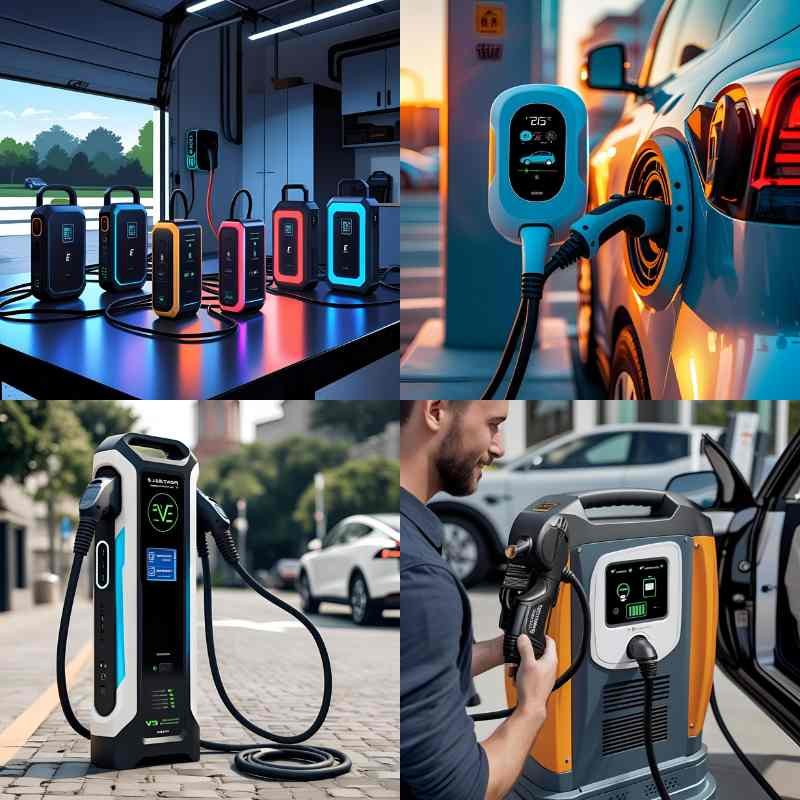
Best Portable EV Chargers in 2026: Review & Buying Tips
Best Portable EV Chargers Review – Recommendations and Tips Looking for the Best Portable EV Chargers to stay powered wherever you go? You’re not alone. As electric vehicles continue to grow in popularity across the U.S., having a dependable, on-the-go charging option is more important than ever. Whether you’re planning a weekend trip, commuting long distances, or just want peace of mind during your daily drive, portable EV chargers are a must-have accessory for modern EV owners. In this guide, we’ll break down the top-rated portable EV chargers available in the USA, highlight key features to watch for, and share smart tips to help you get the most value for your money. Say goodbye to charging anxiety—these portable solutions will keep you moving no matter where the road takes you. Top Portable EV Chargers in 2025 Lectron 40 A Portable EV Charger (NEMA 14‑50) – Best All‑Rounder Specs: Level 2, 240 V, 40 A → up to ~9.6 kW charging. Features: ETL & FCC certified, IP65 weatherproof, built-in safety protections, 16 ft cable with LED status lights Why Choose It: Fast charging, reliable, and safe—great value for daily use. Price: Around $300. Check Price Grizzl‑E Mini Portable Charger – Best for Rugged Use Specs: Adjustable 7–40 A (240 V), works Level 1 & 2. Features: Tough aluminum body, UL-rated safety, built-in GFCI, 24 ft cable, travel-ready including multiple plug adapters Why Choose It: Super durable and road-trip friendly. Price: Approx. $440. Check Price EVDANCE Flux Portable EV Charger 40 A – Great Value Pick Specs: Level 2, 240 V, 40 A. Features: Intelligent chip for real-time monitoring, IP66 waterproof, 25 ft cable, comes with carry bag Why Choose It: Rugged, smart, and budget-friendly. Price: About $289. Check Price ChargePoint Flex EV Charger (Hardwired) – Smart Option Specs: Up to 50 A, 240 V. Features: Wi-Fi, app control, voice assistant support—most advanced smart charger Why Choose It: For tech-savvy users wanting smart features. Price: Around $649. Check Price Quick EV Chargers Comparison Charger Speed (max) Portability Smart Features Durability Price Lectron 40 A ~9.6 kW Lightweight ❌ IP65, ETL $300 Grizzl‑E Mini 7–40 A adjustable Compact & rugged ❌ Aluminum, UL $440 EVDANCE Flux 40 A ~9.6 kW Portable ❌ IP66 $289 ChargePoint Flex Up to 50 A Portable ✅ Wi-Fi & App Weatherproof $649 Review Methodology Hands-On Features Check – Verified certifications, protections, cable length, and connector types. User Feedback – Focused on trusted user reviews (4★+) and tested performance. Expert Insights – Included recommendations from reputable EV review sites Value and Safety – Safety certifications and pricing were key decision factors. Why Every EV Driver Should Own a Portable EV Charger Portable EV chargers offer peace of mind and charging flexibility no matter where the road takes you. Whether you’re commuting locally or heading out on a weekend road trip, having a backup charger in your trunk can save you from long waits at public stations or worse—running out of battery. For American EV drivers, especially those living in suburban or rural areas, a portable EV charger isn’t just a smart choice—it’s a must-have. It lets you plug in at home, at work, or at any compatible outlet along your route. No installation, no waiting. Just easy, reliable charging wherever you go. Tips for Choosing the Right Portable EV Charger Choosing the best portable EV charger means knowing what matters most for your car, lifestyle, and travel habits. Here’s what to look for before you buy: Match Your Home’s Plug – NEMA 14‑50 (Level 2) gives fast charging; NEMA 6‑20 (Level 1 & 2) for slower but flexible options. Check Certifications – Look for UL, ETL, or FCC labels and safety features like overheat protection and GFCI. Portable vs. Fixed – Portable chargers are great for travel; fixed stations offer convenience at home. Smart Features – Wi-Fi controls and app tracking are useful if you want advanced monitoring and scheduling. Cable Length and Weather Protection – Longer cables and weather resistance help with both outdoor use and flexible parking. Final Recommendations Best Value Overall: Lectron 40 A — fast, certified, and under $300. Tough & Travel‑Ready: Grizzl‑E Mini — rugged build and adjustable charging in a compact form. Lowest Price for 40 A: EVDANCE Flux — reliable performance with smart safety. Smartest Choice: ChargePoint Flex — full IoT control for tech lovers, budget-conscious getters. Bottom Line:Choose a charger that fits your parking setup, desired charging speed, and lifestyle needs. These four are top picks for 2025—whether you’re charging at home, on the go, or caring about smart features. If you need more help matching a charger to your EV model or lifestyle, just ask!